When I was in tenth grade I regularly cut class. Not always but sometimes I devoted my time to staying home so I could watch my favorite show — Unsolved Mysteries. One day, as the episode about Kurt Cobain’s death aired, our doorbell rang. From the second floor window my brother and I looked out. Below us stood two men wearing black suits and ear pieces, their posture identical.
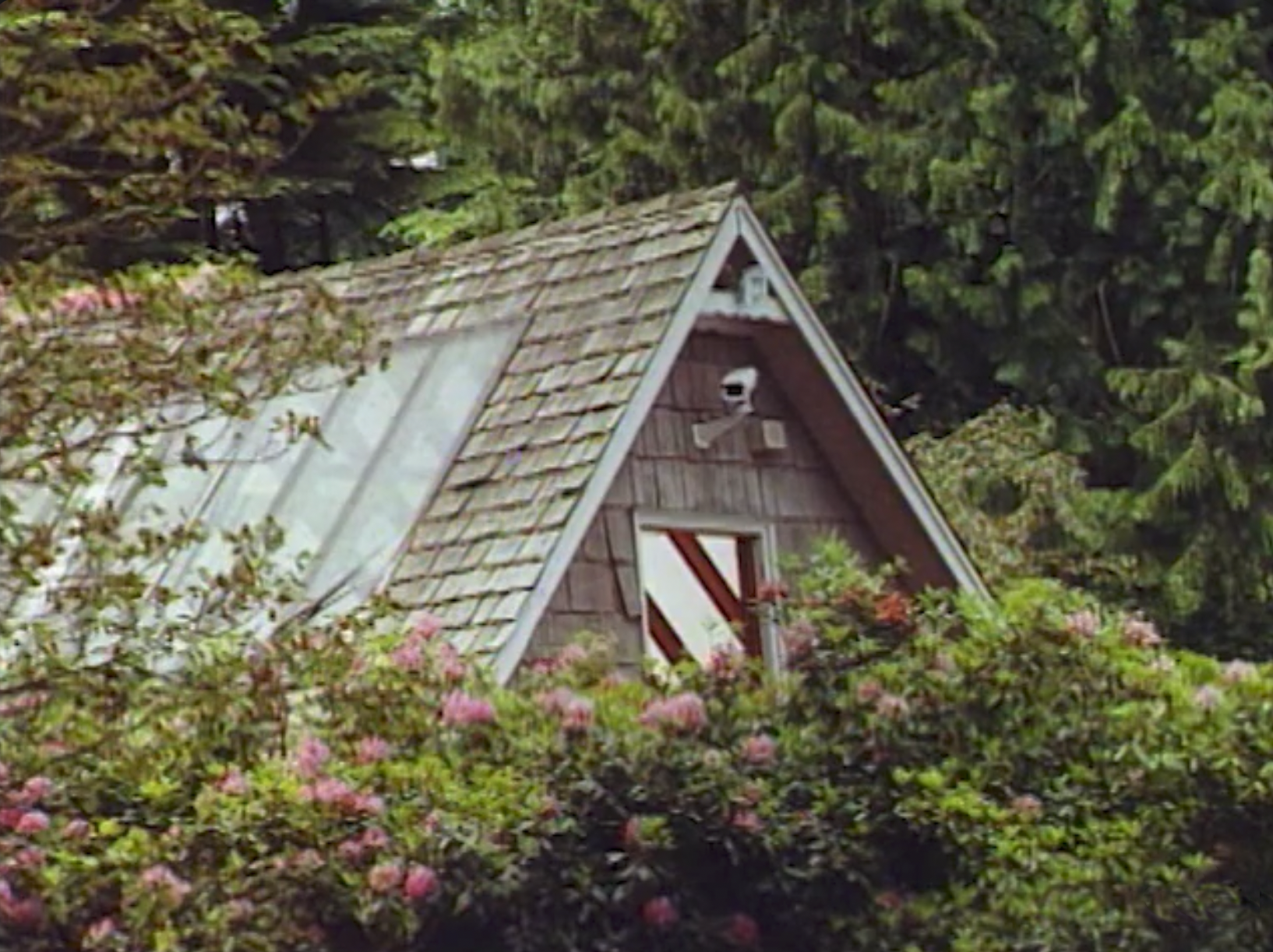
It might seem antithetical to picture making to say when I compose a photograph the last thing I am thinking about is photography. Someone I grew to dislike once told me if you want something you can’t look directly at it. I can’t think of a better description for the plight of image makers everywhere. Wanting everything we affix our bodies to the viewfinder — binding ourselves to nothing in return except the eternal restlessness of insatiability. I have returned to this idea many times over the years, and understand it to mean the substance of all things live in the periphery. Here everything falls apart and in contradiction begins to make sense. I am reminded of how lawyers build a case. They are handed concrete facts yet everything surrounding those facts influence the argument presented in court. Only by peering beyond the corners of things can meaning be discerned.
My brother turned to me and said ‘we’re not answering that’. In the evening a message flickered on our machine. It said,
“Good evening, Mrs. Emond. This is officer Whitney with the Federal Bureau of Investigation. We would like to speak with you about your son Andrew. I can be reached at 212-5…”
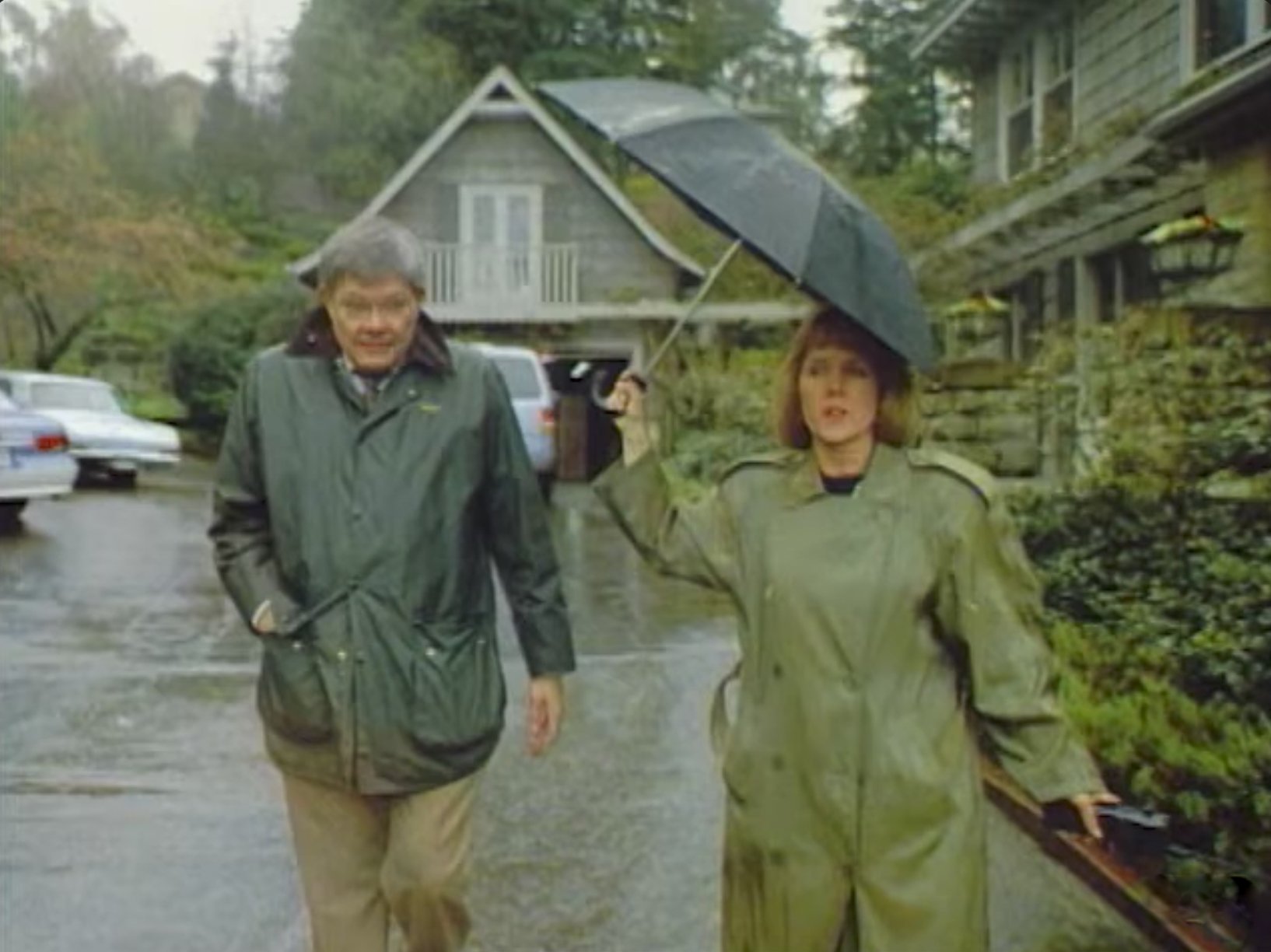
What I do think about when making a picture are the sounds the photograph might make if it were to punctuate a page or announce itself in a room. I think about the translation that occurs when reading music notes on a page. How looking becomes sound through a movement the body makes, which it stores as a memory.
The FBI requested to speak to my brother alone, but my mom refused. They interviewed my family for several months without telling them what their investigation was about.
Jerome Kern famously refused to change his music for words. I feel similarly unwilling to make pictures for any one idea. It’s hard to see the point considering a photograph, like music, cannot untether itself from time. Yet both inhabit a lifespan that is exponential, one which exceeds time while passing through it. In essence, the photograph’s contradiction is that it exists statically, against singularity. A vortex of constrained boundlessness. So then, what am I looking for? That potent sense of recognition one feels before knowing that is also knowing. The kind that doesn’t require proof, only record.
My mom’s boss recommended she speak with her friend who was a top civil rights attorney in the City. He agreed to take the case due to its unusual nature in the aftermath of 9/11.
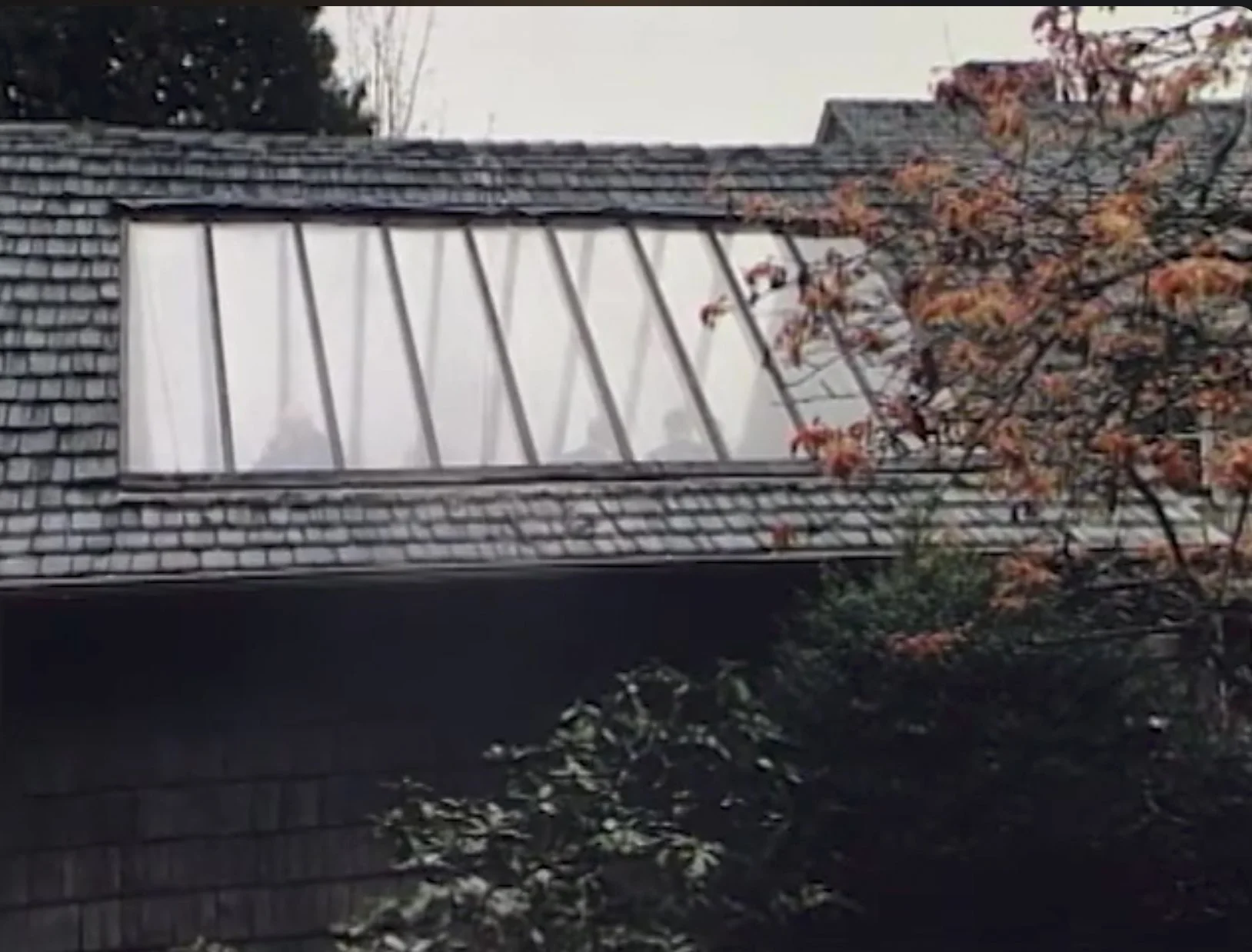
Before setting out to make a photograph I spend a lot of time arranging it in my mind. In the way someone might imagine the day ahead of them. If the melody is the essential part of any emotive form than words can only come later. Understanding photography as a feeling, a channel for my intuition, before an intellectual endeavor is the way I’ve always connected with the medium. I can’t imagine what Kern’s reasoning was for prioritizing music over words, other than he only ever wrote melodies, never lyrics. But for me, I feel as though If I were to put words to images first the pictures would always be limited by the ideas themselves, and at a loss to transcend them, which is what I believe art intends to do.
After three months the FBI read from a list of names. They instructed my family to stop them if they recognized any of the names on the list. The last name they read was Jacob.